


M101
decoding a "super molecule" that could transform oxygen delivery
M101 is the code name for a purified extracellular hemoglobin derived from the marine worm Arenicola marina. Its properties directly address the core weaknesses that caused earlier blood substitutes to fail.
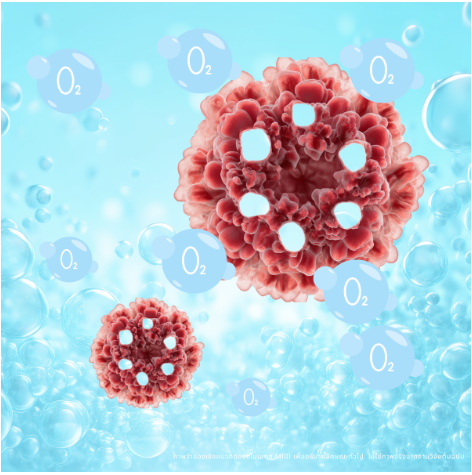
M101: a remarkable molecule from nature, poised to revolutionize oxygen delivery
Key properties that make M101 different
1) Naturally engineered for safety in the bloodstream
-
Very large size (about 250× larger than human hemoglobin), which helps it stay within blood vessels.
-
Reduced risk of triggering the nitric‑oxide cascade that can lead to vasoconstriction.²
2) Much higher oxygen‑carrying capacity
-
Human hemoglobin binds up to 4 oxygen molecules; M101 can bind far more (often described as ~156 oxygen molecules per M101 molecule).
-
Designed to release oxygen where it is needed, following oxygen gradients — especially in hypoxic tissue.⁴
3) Universal compatibility
-
No red‑blood‑cell antigens (A, B, AB, O), so it does not require blood‑type matching — a major advantage in emergencies.⁵
4) Built‑in tissue protection
-
Intrinsic antioxidant activity can help reduce damage from reactive oxygen species during ischemia‑reperfusion (blood loss and restoration).
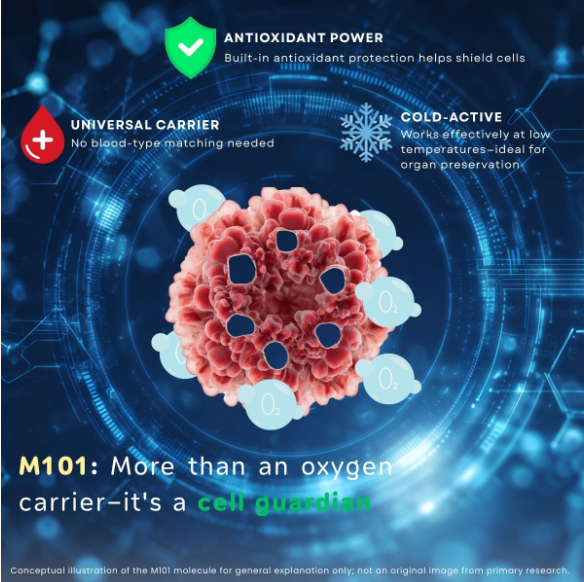
Three standout features of M101 make it more than a typical blood substitute — it acts as a true “cell guardian,” helping improve both performance and safety in medical use.
These combined features mean M101 is not just an “artificial blood” concept. It can be viewed as a platform for oxygen therapy — provided it can be produced sustainably at scale and turned into real medical products.
Work cited
- Alayash, A. I. (2019). Hemoglobin-based oxygen carriers: past, present, and future. Artificial Organs, 43(3), 229-240.
- Hemarina. (n.d.). HEMOXYCarrier®. Retrieved from hemarina.com
- Batool, H., et al. (2021). Therapeutic Potential of Hemoglobin Derived from the Marine Worm Arenicola marina (M101): A Literature Review of a Breakthrough Innovation. Marine Drugs, 19(7), 376.
- Zal, F. (2018). Extracellular Hemoglobins From Annelids: A New Generation of Oxygen-Carrying Molecules. In Extremophiles in Botechnology (pp. 317-340). Springer, Cham.
- Le Pourceau, M., et al. (2021). The oxygen carrier M101 alleviates complement activation, which may be beneficial for donor organ preservation. Frontiers in Immunology, 12, 735955.